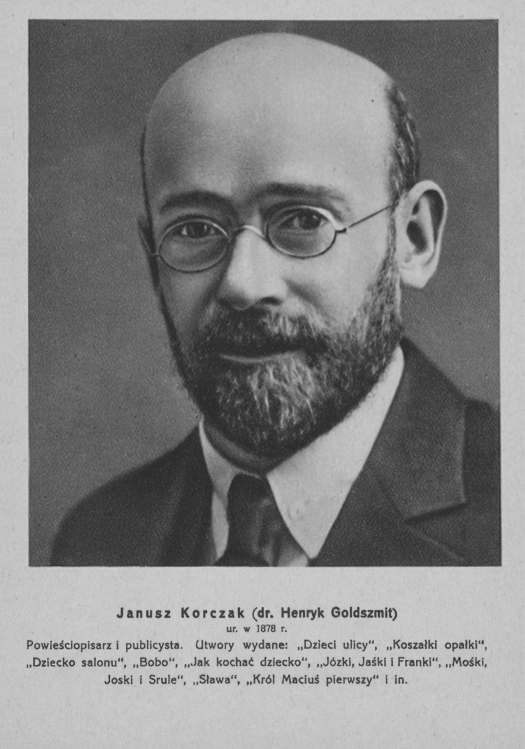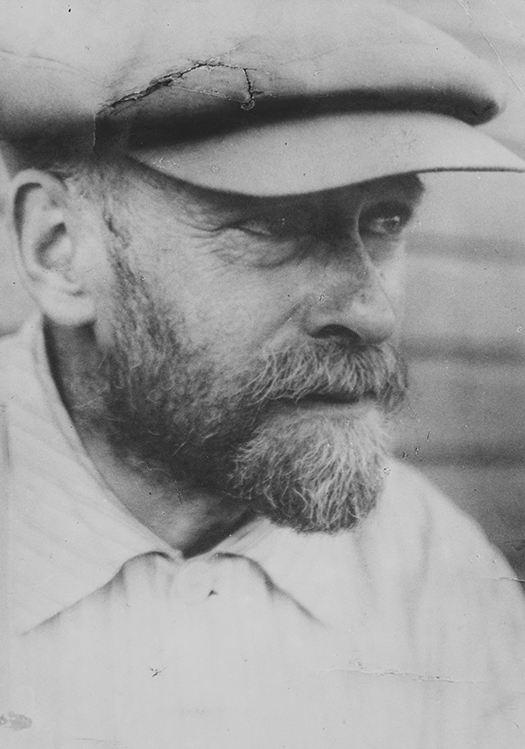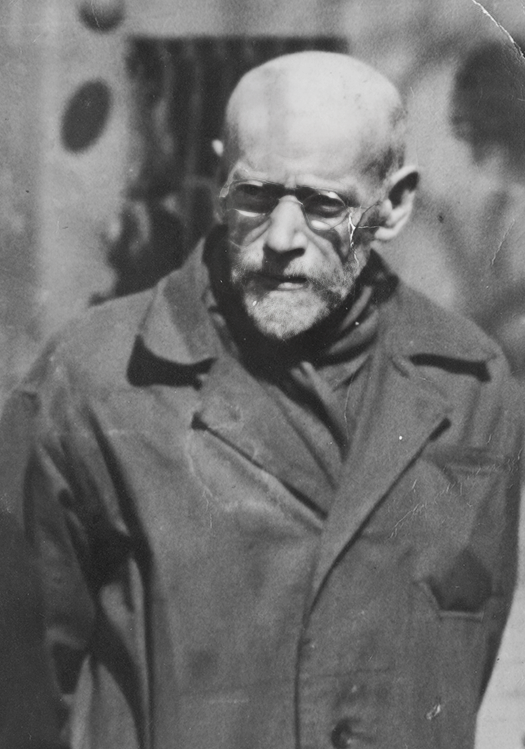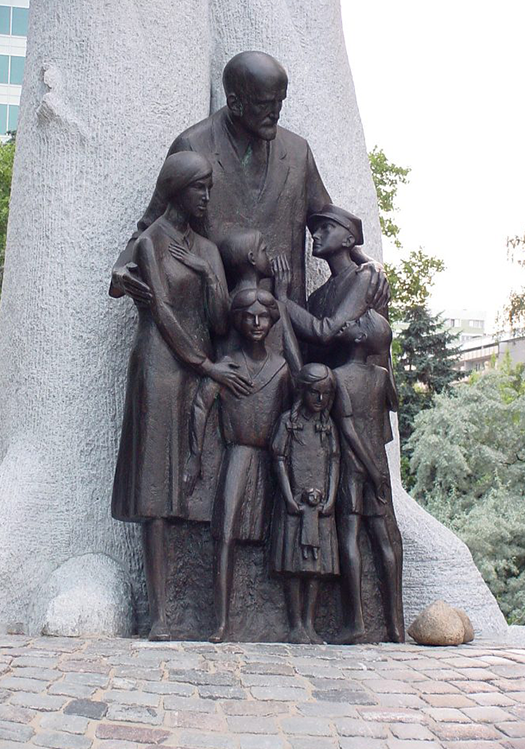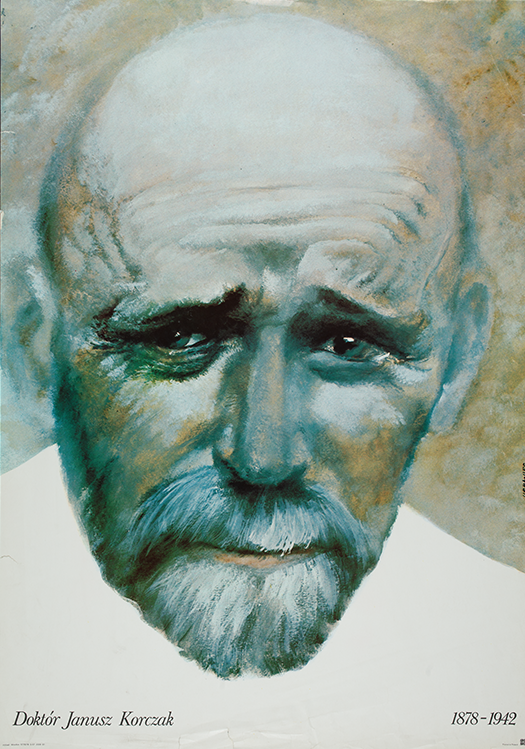
July 22, 1878 or 1879, Warsaw - August 7, 1942, Treblinka extermination camp
A writer, renowned educator, and medical doctor, Janusz Korczak created an innovative pedagogical system stressing respect, trust, and love for the child. His children's books were popular, and are still read today. In the Warsaw Ghetto, he continued to work with his pupils from the Orphan House until their deportation to Treblinka.
Janusz Korczak was born in Warsaw to an assimilated Jewish family who appreciated Polish culture and the positivist thinking regarding social work.
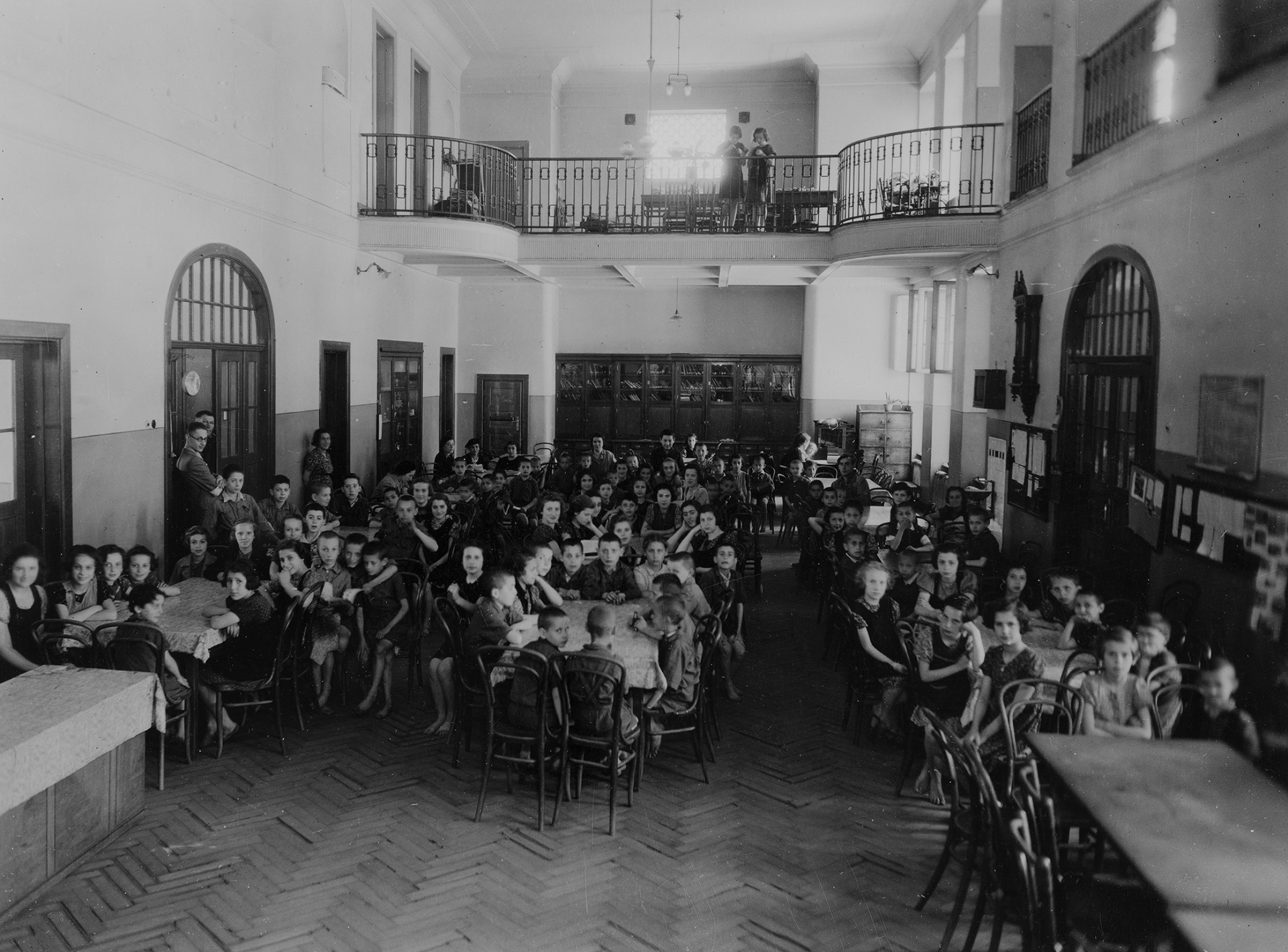
As a boy, he did not like school, but was captivated by literature becoming an avid reader. While studying at the Faculty of Medicine of the Imperial University of Warsaw, he began as a tutor for theJewish children who came to the summer colony. This experience resulted in two books: Mośki, Joski, Srule (1910) and Józki, Jaśki and Franki (1911). The Orphan House, which led from 1912 until the deportation to Treblinka in 1942, was a laboratory for observations of child behavior. He demonstrated how the data could be applied to pedagogy. Moreover, from 1919 to 1936, his work continued at Our Home, an orphanage for Polish children.
Janusz Korczak authored some 30 books and 1400 articles, in which the boundary between literary and pedagogical substance was fluid, characteristic for his writing. In recognition of his literary merits, he was awarded the Golden Laurel of the Polish Academy of Literature in 1937. His work has been translated into more than 20 languages. His most widely read novels for children include King Matt the First, Bankruptcy of Little Jack, Kajtuś the Wizard.
Korczak also wrote books for adults, primarily pedagogical in nature. Although these do not provide universal pedagogical techniques, they are a unique source of knowledge about child psychology. His take on pedagogy was regarded as revolutionary in Poland. Children were to be taken seriously from a young age, taught responsibility for their actions, and expected to deal with the consequences of the freedom to choose.
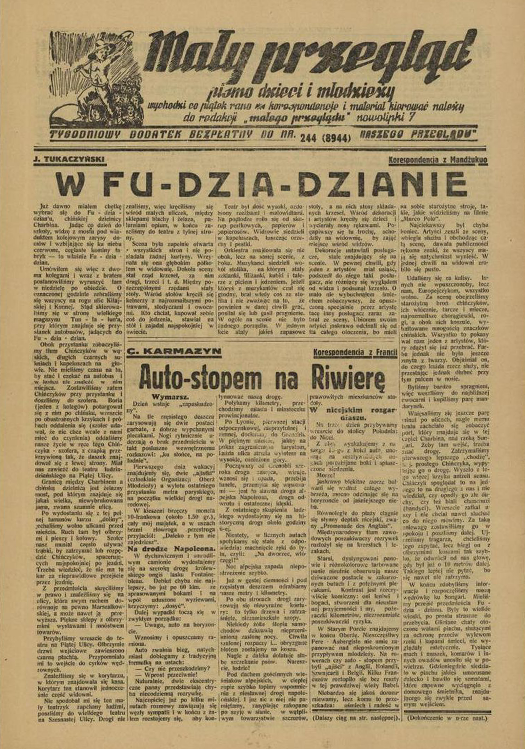
From 1926 to 1930, Korczak ran the children's newspaper “ The Little Review.” It was written and edited by children. It printed the childhood articles of the writer Jozef Hen and philosopher Zygmunt Bauman.
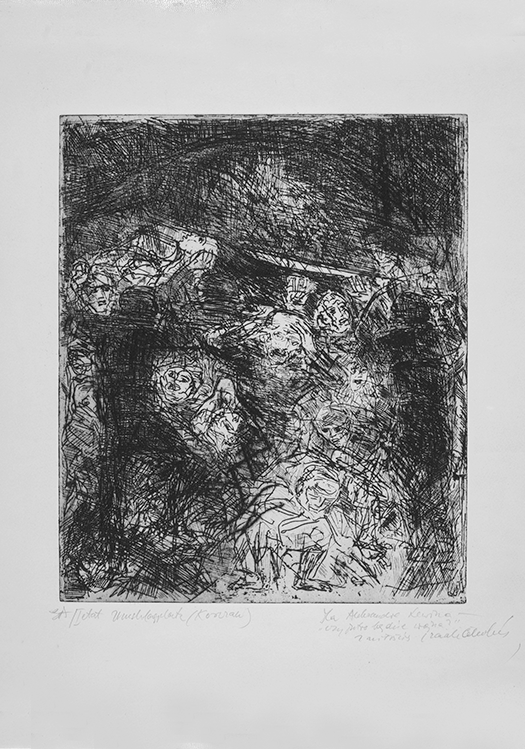
His Diary and Other Writings from the Ghetto is a rich and irreplaceable biographical source about his life as a whole, especially from the period of confinement in the ghetto and the everyday life of the orphanage. It was written over a period of three months, between May and August 1942. The last entry in the diary bears the date 4 August 1942. The liquidation of the Orphan House took place a day or two later. Korczak and his pupils were led to the Umschlagplatz, the collection place, from where they were taken on their final journey to Treblinka.
Władysław Szlengel, a poet imprisoned in the Warsaw Ghetto, commemorated Janusz Korczak in his poem Kartka z dziennika akcji (A Card from a Diary of Action), dated 10 August 1942. His fate also became the subject of two feature films. In 1974, Aleksander Ford made a film entitled “You Are Free to Go, Dr Korczak” (Jest pan wolny, doktorze Korczak), and in 1990, Andrzej Wajda made a film entitled “Korczak”based on the script by Agnieszka Holland. Wojciech Pszoniak played the leading role.
To commemorate Janusz Korczak’s work, Asteroid 2163 discovered in 1971 on the asteroid belt orbiting the sun, was allowed his name.